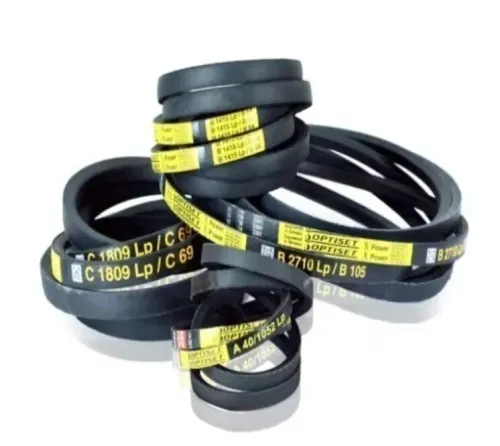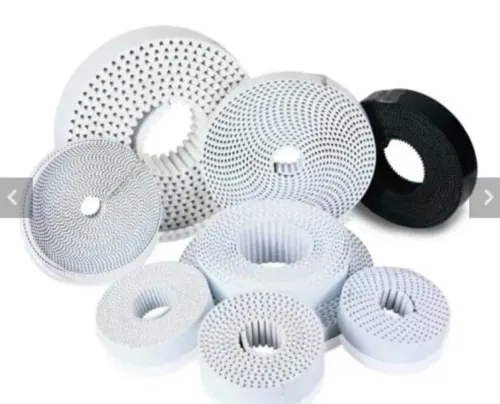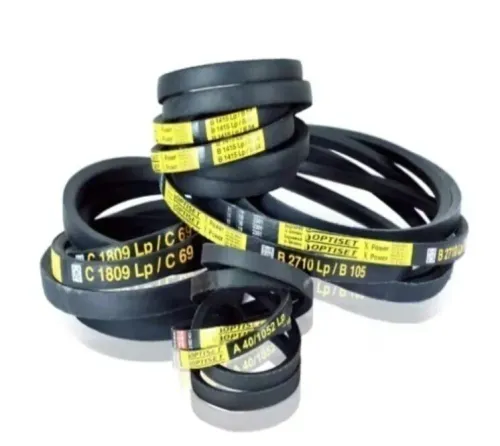
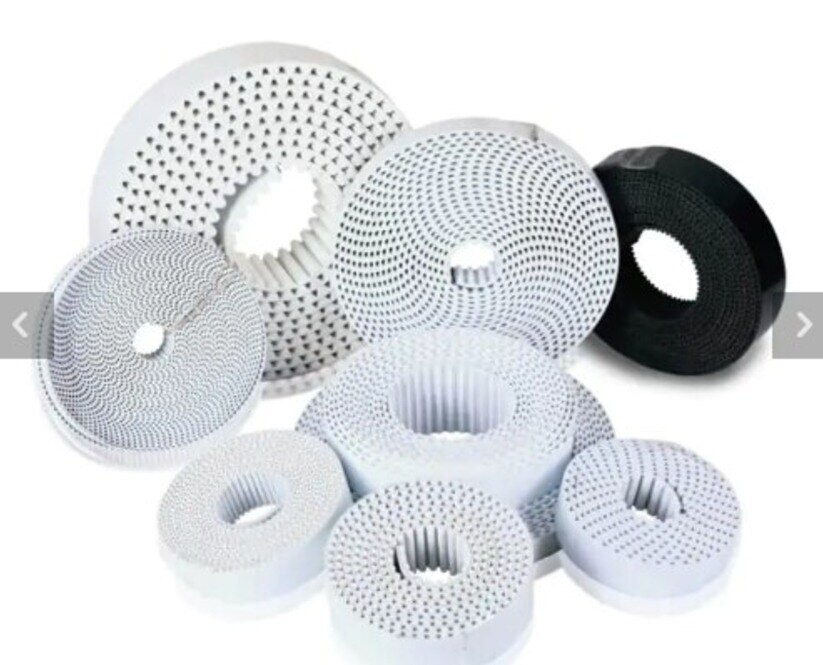
A failed timing belt can stop a harvester, planter, irrigation pump or crop-processing line, but replacing it with a belt that only looks similar can cause tooth jumping, shaft overload and repeat downtime. You will learn how to identify the installed belt, replace it safely, choose between endless and joined construction, and compare Chennai suppliers using technical evidence rather than a generic “PU timing belt” description.
Key takeaways
- Specify profile, pitch and tooth count before ordering a replacement belt.
- Inspect pulley tooth wear and alignment before fitting a new agricultural timing belt.
- Choose endless belts for precision; joined belts for access and easier installation.
- Ask suppliers for dimensions, material details, joining method and application guidance.
Where agricultural machines in Chennai use PU timing belts
Combine harvesters, seed drills, planters, irrigation pumps, sprayers, threshers, conveyors and crop-processing machines can use PU timing belts in their metering, feeding, pumping or drive assemblies. The belt may synchronize a crankshaft with a camshaft, a roller with a seed meter, or a motor with a pump, fan or driven spindle.
Tooth engagement transfers motion without slip. Each belt tooth seats in a matching pulley groove, so the driven shaft turns by a fixed angle for every set number of teeth passing the pulley. That timing prevents missed seed spacing, irregular spray output and mistimed cutting or feeding.
Dust, crop residue, moisture, fertilizer, pesticides and shock loads expose weak or poorly matched agricultural timing belts quickly.
Before ordering from pu timing belt manufacturers for agriculture, record the pulley profile, tooth count, belt width, speed, power and contamination conditions. A supplier needs those details to select the drive and tension correctly.
| Machine | Synchronized parts | Failure from poor tooth engagement |
|---|---|---|
| Combine harvester | Crankshaft, camshaft, feeder or cutter | Valve timing, feeding or cutting falls out of sequence |
| Seed drill or planter | Drive roller and seed-metering spindle | Seed spacing becomes inconsistent |
| Irrigation pump | Motor shaft and pump shaft | Pump speed fluctuates or the belt jumps |
| Sprayer | Drive shaft and pump or metering assembly | Spray pressure and application rate vary |
| Thresher or conveyor | Motor, roller, fan or driven spindle | Material flow becomes uneven or stops |
Specify the belt by profile, pitch and tooth count—not outside circumference
A replacement is identified by its tooth geometry, not by the belt’s outside circumference. Outside dimensions change with tooth depth and backing thickness, so a belt that appears the same length can still fail to engage the pulley correctly.
1. Record the installed belt marking and machine part number. Photograph the marking before removal, then verify the profile, pitch, tooth count or pitch length, width, material and cord construction.
2. Count the teeth on each pulley and inspect the stamped or catalogued profile. Match T, AT, HTD or another profile exactly; similar-looking metric profiles are not interchangeable and can cause interference, rapid wear or tooth jumping.
3. Measure belt width with calipers and calculate pitch length as pitch multiplied by tooth count. Do not substitute an outside-circumference measurement for this specification.
4. Give the supplier the centre distance, shaft arrangement, operating speed and transmitted power. Add ambient temperature, water, soil, fertilizer, oil and chemical exposure because these determine the required PU compound and cord.
5. Check pulley compatibility before approving the quotation. Confirm tooth count, pitch, profile, groove condition, flange style and guide arrangement; worn teeth, bent flanges, loose bearings or runout can destroy a new belt.
Ask pu timing belt manufacturers to state the exact designation, pitch, profile, width, tooth count or pitch length, cord, batch or lot reference, country of origin and test or conformity documents. A quotation reading only “PU timing belt” does not prove interchangeability with your agricultural timing belts.
A safe PU timing belt replacement starts with the pulleys
Start a safe PU timing belt replacement by making the pulleys trustworthy: a new belt cannot compensate for bent flanges, worn grooves, loose bearings or excessive runout. Isolate and lock out the machine, clean trapped dust or crop material from the drive, photograph the routing, and record the old belt marking before loosening the tensioner.
- Release tension with the specified adjuster. Never pry the belt off a pulley or twist it around a flange.
- Check that the shafts are parallel and the pulley faces are in the same plane. Correct misalignment before fitting the belt; edge contact causes rapid wear and cord fatigue.
- Compare the replacement with the original profile, pitch, tooth count, width, cord orientation and part number. A similar-looking metric profile can interfere with the pulley and make the belt jump.
- Replace a pulley when its teeth are rounded, its flange is bent, its bearing is loose or its runout exceeds the machine specification.
- Place the belt over the pulleys without forcing, kinking or reversing it. Engage every tooth before applying tension.
- Set pretension with the manufacturer’s tension value or deflection method. Excess tension overloads shafts and bearings; insufficient tension causes ratcheting and tooth shear.
- Rotate the drive by hand, refit guards, then run a slow guarded test cycle. Stop for flange contact, tracking movement, noise or tooth skipping.
Store an unused belt away from sunlight, ozone-producing equipment, heat, solvents and sharp bends. Do not hang it from a small hook or compress it under heavy parts.
Choose endless or joined construction for the machine’s real load
An endless PU timing belt is the better choice for a rotary agricultural drive with continuous operation, high torque, shock loads or limited access for servicing. Its uninterrupted cord and tooth run remove the weld as a potential weak point, which matters on threshers, pumps, conveyors and crop-processing drives that start under load.
| Construction | What it means | When it applies |
|---|---|---|
| Endless | Continuous belt with no welded seam | Rotary drives with high tension, reversing loads, shock, high speed or long service intervals |
| Open-end with welded joint | Cut belt joined to a specified length by a manufactured weld | Custom-length drives, moderate loads, lower speeds or equipment designed for easy belt replacement |
| Joined belt requiring proof | Welded belt whose tooth geometry and tensile performance must be verified | Any agricultural drive where dust, crop residue or seasonal overload could expose joint weakness |
An open-end belt with a manufactured welded joint can work on a planter, seed drill or conveyor when the supplier confirms the joint’s tensile rating, tooth-form accuracy and operating limits for that exact profile and width. Do not treat it as equal to a seamless moulded belt without test data.
For a PU timing belt replacement, ask for the joint location, welding method, cord construction and inspection record. Choose an endless belt if the machine sees frequent shock, belt reversal, high tension or costly downtime; choose a welded belt only when its joint rating matches the real load.
Local availability does not make an unsuitable belt safe.
How to compare PU timing belt manufacturers and Chennai suppliers
Compare pu timing belt manufacturers and Chennai suppliers by evidence, not by the phrase “agricultural grade.” A belt exposed to dust, crop residue, water, fertilizer, pesticide, oil and shock loads needs a documented polyurethane formulation, cord construction, tooth facing and resistance range.
Ask Jigna Sales Corporation—or any candidate supplier—for records specific to the proposed belt, not a generic catalogue page.
| Check | Evidence to request | Why it matters |
|---|---|---|
| Manufacturer identity | Factory address, country of origin, production traceability and lot reference | Separates a manufacturer from a stockist, importer or assembler |
| Belt specification | Datasheet naming profile, pitch, width, tooth count, cord, temperature and chemical limits | Prevents an apparently similar T, AT or HTD belt from being fitted incorrectly |
| Construction | Moulding details for endless belts, or weld-joint inspection and tensile data for joined belts | A visibly neat joint does not prove accurate tooth form or strength |
| Supply support | Warranty terms, dimensional tolerances, conformity or test documents, and replacement lead time | Protects you during seasonal breakdowns and repeat orders |
Give the pu timing belt supplier these selection inputs before requesting a price:
- Pulley tooth count and profile, centre distance, belt width and shaft arrangement
- Speed, transmitted power, intermittent shock load and required tension
- Dust, moisture, fertilizer, pesticide or oil exposure, plus ambient temperature
- Exact designation, pitch length or tooth count, material, cord, lot number and country of origin on the quotation
A quotation listing only “PU timing belt” does not establish interchangeability or reliable service. Local stock reduces downtime, but it cannot replace documented selection.
Related product
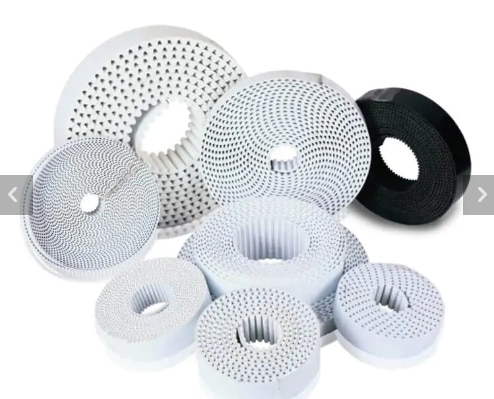 | PU Timing Belts has high performance transmission. This PU Belts has high intensive and low extension adoptive modules. View product → |
Frequently asked questions
Where do agricultural machines use PU timing belts?
They appear in metering, feeding, pumping and drive assemblies on planters, seed drills, sprayers, threshers, conveyors and crop-processing equipment.
How should you specify a PU timing belt?
Give the tooth profile, pitch, tooth count, belt width and construction; do not identify it only by outside circumference.
What must you inspect before a PU timing belt replacement?
Inspect pulley tooth wear, flange damage, shaft alignment, centre distance and tensioning hardware before installing the replacement.
Should you choose an endless or joined PU timing belt?
Choose endless construction for continuous precision and higher load consistency; choose joined construction when the machine limits belt installation access.
How do you compare PU timing belt manufacturers and Chennai suppliers?
Compare profile and pitch availability, dimensional records, material and reinforcement details, joining quality, lead time and application support.