Slip, squeal, rib wear and vibration do not prove that the belt is the wrong component; worn pulleys, poor alignment, incorrect tension and overloaded accessories create the same symptoms. You will be able to identify when a PK belt fits the drive, specify the replacement accurately, install it without creating new faults and decide when another belt type is the better answer.
Key takeaways
- Check pulleys, bearings and shafts before blaming the PK belt.
- Match the profile, rib count, length and load rating before ordering.
- Use the manufacturer’s tension method to prevent rib slip and bearing overload.
- Replace a PK belt when ribs crack, glaze, fray or lose their profile.
What a PK Belt Is—and Which Drive Problems Its Design Can Address
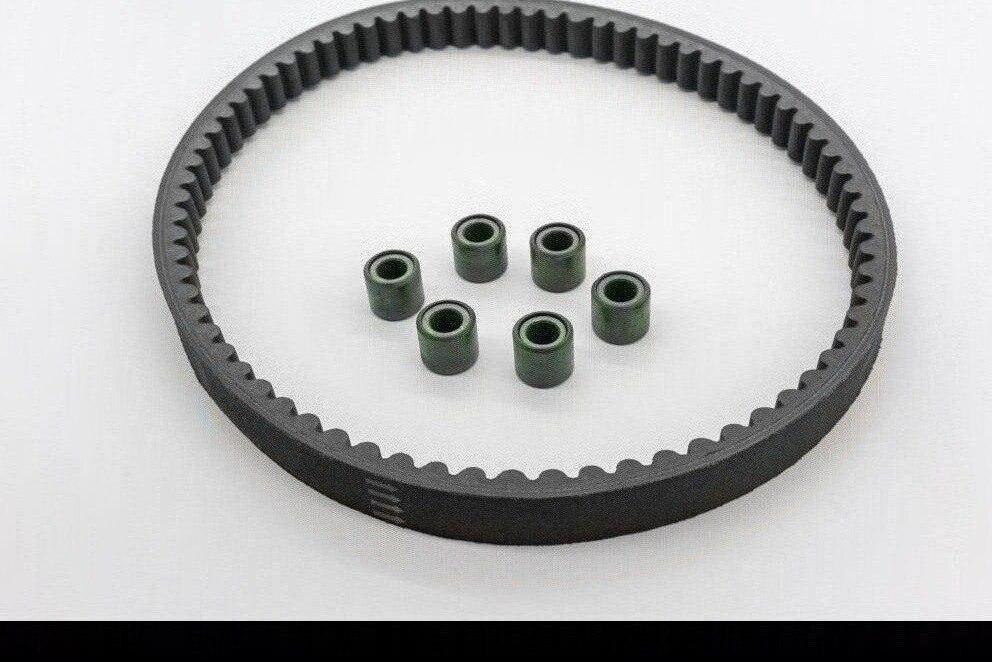
A PK belt can solve a poly belt drive problem when limited space, small pulleys or several accessories make a conventional V-belt arrangement impractical. Its 3.56 mm rib pitch forms a thin, flexible poly-V section: multiple longitudinal ribs share the load while one belt can follow a serpentine route and wrap several pulleys.
That reduces shaft width and eliminates separate tensioning for multiple matched V-belts.
| Profile | What makes it different | Selection consequence |
|---|---|---|
| PK | 3.56 mm rib pitch; thin multi-rib construction | Match the pulley grooves, rib count and effective length |
| PJ | Different, finer poly-V section | Do not substitute it for PK because both are ribbed belts |
| PL | Wider, heavier poly-V section | Confirm groove geometry and capacity before considering replacement |
| Automotive K | Vehicle-specific application and dimensions | Verify the exact standard; “K-profile” alone does not prove PK interchangeability |
Choose PK when the existing arrangement needs more power capacity than a narrow belt provides, better small-pulley performance, greater wrap, or one flexible belt for multiple driven components. The change will not cure pulley misalignment, worn grooves, seized bearings or overload.
Those faults produce slip, noise, vibration, rib flank wear and edge damage even with a correctly selected belt.
Check alignment before increasing tension or changing belt brands. A belt that squeals because of low tension needs accurate tensioning, not excessive tension that overloads shafts and bearings. Specify the PK profile, rib count and length together; removing ribs or fitting fewer ribs than the pulley requires can overload the remaining ribs.
Separate PK Belt Problems from Pulley, Bearing and Shaft Faults
A new belt that slips, squeals or vibrates does not prove the belt is defective. Isolate the drive, inspect each component, and test belt condition before increasing tension; excessive tension can overload shafts and bearings while hiding the real fault.
1. Remove the belt with the machine locked out. Rotate every pulley and accessory by hand. Roughness, tight spots, end play or a pulley that stops abruptly points to a bearing or seized accessory, not PK belt problems.
2. Inspect the pulley grooves for polishing, rust, embedded grit, contamination and uneven wear. A worn groove reduces rib engagement and causes slip, glazing and rapid wear even with the correct belt.
3. Check pulley alignment with a straightedge or laser. Angular or parallel error leaves flank wear, edge damage, rib rollover or belt wandering. Measure shaft runout with a dial indicator if the pulley appears to wobble.
4. Examine the removed belt for cracked or missing ribs, frayed edges, rib-base cracks, oil swelling and wear concentrated on one side. These marks support a belt fault; a clean belt with matching damage on the pulley points to the drive.
5. Set tension from the belt maker’s span, load, speed and pulley arrangement data. Do not use “tighten until it stops squealing” as a test. Insufficient tension creates slip and heat; excess tension raises bearing loads.
Run the drive briefly after correction and observe tracking, noise and temperature. If the symptom remains with a correctly tensioned replacement, investigate the accessory, shaft, pulley geometry or overload; the poly V belt drive issues are elsewhere.
Specify the Replacement by Profile, Ribs, Length and Load
Order a PK replacement as a four-part specification: PK profile, rib count, length reference and required load. PK means a 3.56 mm rib pitch; a PJ, PL or automotive K belt is not interchangeable merely because it is also a Poly-V belt.
Match the belt to the pulley grooves, not just the old belt’s printed width.
Put these details on the purchase order:
- PK profile and exact rib count; do not remove ribs from a wider belt without approval for the reduced load and changed belt edge.
- Effective, pitch, datum or nominal length, with the catalogue’s length convention named; check it against the belt marking and pulley centre distance.
- Pulley groove condition, smallest pulley diameter, wrap angle, routing and any reverse bend.
- Drive speed, transmitted power, accessory load and centre distance; request the belt’s rated capacity for those conditions.
- Rubber compound, oil and temperature rating, batch identification and storage history.
- Confirmation that the belt width leaves proper pulley side clearance and seats fully in every groove.
A PK belt with the correct static length can still fail if the smallest pulley is below the maker’s limit or the remaining ribs carry excessive load. When comparing a PK belt supplier in Mumbai, give Jigna Sales Corporation this complete specification and require written confirmation of the profile, length convention, compound and batch.
Reject stock stored folded, compressed, overheated or against oil.
Related products
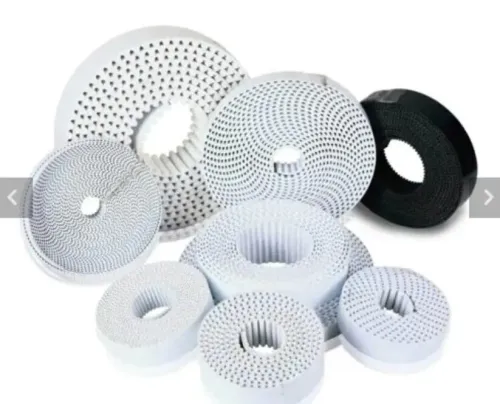
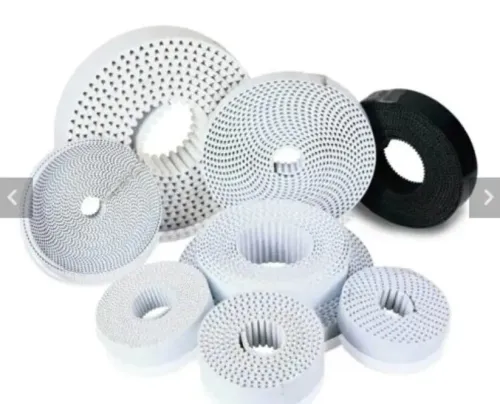
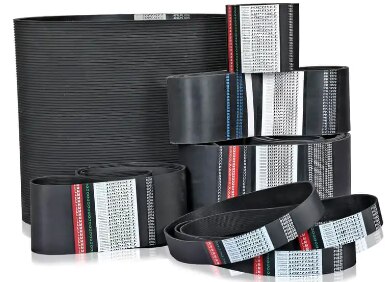 | Poly Belts Poly v-belt allows drive design to meet requirements of power grip and space. View product → |
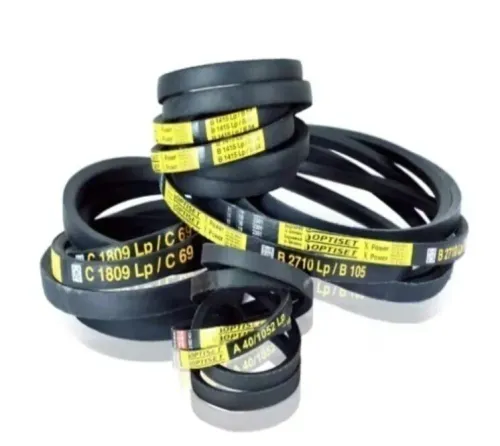
 | 5m, 7m, 11m Belts Belts are recommended for use on bench type milling machines, lathe drives, woodworking and metalworking machine spindle drives, computer peripheral... View product → |
Install and Tension a PK Belt Without Overloading the Drive
Install the belt with the drive isolated and the pulleys exposed; a correctly sized PK belt cannot compensate for damaged grooves or poor alignment.
1. Inspect both pulleys for worn, polished, rusted or contaminated grooves. Clean them, replace a damaged pulley, and confirm the profile and rib count match the belt.
2. Check parallel and angular alignment with a straightedge across the pulley faces. Correct shaft or pulley position before fitting the belt; misalignment causes rib flank wear, wandering and edge damage.
3. Fit the belt by hand into every groove. Do not lever it over a pulley with a screwdriver, because that can cut ribs or stretch the belt. Never remove ribs to make a wider belt fit.
4. Set tension using the belt or drive manufacturer’s force-deflection value, or a specified frequency-tension gauge. Do not tighten until squeal stops: excessive tension overloads shafts and bearings, while low tension causes slip, heat and rib wear.
5. Rotate the drive by hand for several revolutions, then recheck seating and alignment. Run it under controlled load and inspect for wandering, rib rollover, glazing, vibration and persistent squeal; remeasure tension after the belt has seated.
A brief start-up squeal after moisture, oil, coolant or dust exposure does not justify belt dressing. Dressing masks the fault and attracts abrasive material; clean the drive and find the cause instead. Persistent noise points to tension, overload, pulley damage, contamination or alignment.
Maintain the Ribs—and Know When a PK Belt Is the Wrong Choice
Contamination, heat, wear and misalignment determine whether a PK belt needs cleaning, replacement or a different drive. Poly belts maintenance starts with a stopped-drive inspection: look for missing or cracked ribs, frayed edges, rib-base cracks, glazing, oil swelling, embedded grit, and uneven wear across the width.
A belt that still transmits power can be near failure if one rib is separating or tracking against a pulley flange.
For persistent poly v belt drive issues, check these conditions before adding tension or changing brands:
- Clean oil, coolant and grit from the belt and pulley grooves with an approved cleaner; never use belt dressing.
- Investigate rib flank wear, rollover or edge damage as alignment evidence, not as a reason to tighten the belt.
- Replace a belt hardened or cracked by excessive heat, then find the source of heat or slip.
- Recheck measured tension after contamination, overload or a major temperature change.
Choose the drive arrangement that matches the operating problem:
| Condition | PK belt response | Better choice when required |
|---|---|---|
| Small pulleys and serpentine routing | Compact, flexible, multi-accessory drive | Use PK unless torque exceeds its rating |
| Oil, grit or foreign particles in grooves | Clean frequently; damage can concentrate in one rib | Use a more protected arrangement for severe contamination |
| High torque or repeated shock loads | Risk of slip, rib damage and rapid wear | Use multiple matched V-belts or another heavy-duty drive |
| Positive synchronisation | Cannot prevent timing slip | Use a toothed belt or geared drive |
| Persistent misalignment or seized components | Belt replacement will not cure the fault | Repair the drive or redesign its layout first |
Frequently asked questions
What drive problems can a PK belt address?
A PK belt suits compact drives with small pulleys, limited space or several accessories. Its 3.56 mm rib pitch lets one flexible belt follow a serpentine route and wrap multiple pulleys.
How can you tell whether a PK belt problem is actually a pulley, bearing or shaft fault?
Inspect pulley grooves for wear, check pulley alignment and runout, and test bearings for noise, roughness or play. A bent shaft, seized bearing or damaged pulley can create symptoms that resemble belt failure.
How do you specify a replacement PK belt?
Confirm the PK profile, rib count, effective length and required load capacity. Record the original belt marking and measure the drive when the marking is missing or unreliable.
How should you install and tension a PK belt?
Clean the pulley grooves, route the belt without twisting it, align every pulley and set tension using the drive maker’s specified method. Excessive tension overloads shafts and bearings; insufficient tension causes slip and heat.
When is a PK belt the wrong choice?
Choose another belt arrangement when the drive exceeds the PK belt’s speed, power, temperature or wrap limits, or when the pulleys do not match the profile. Rework the drive instead of forcing an undersized belt to carry the load.