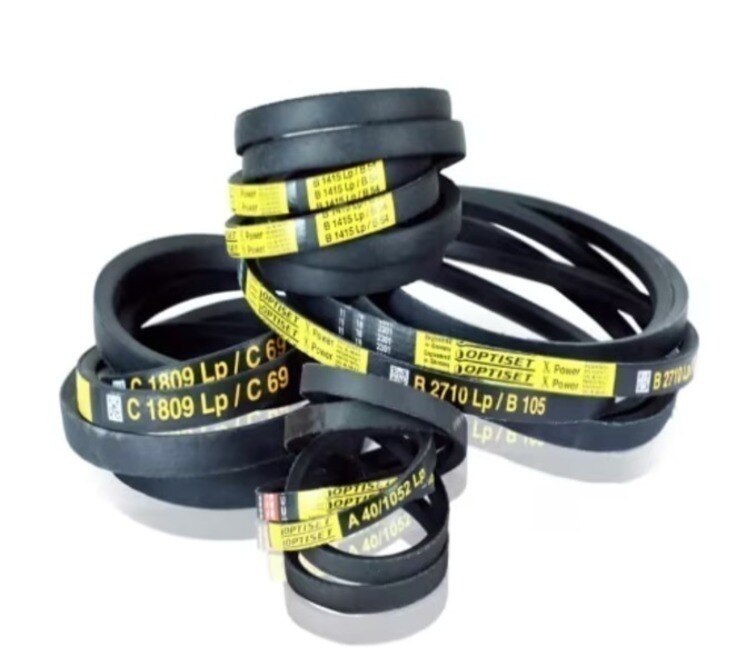
Chennai’s southwest and northeast monsoons expose belt drives to humidity, condensation, splash water, grit, coastal chlorides and damp storage. You will be able to select a belt and pulley system, verify a replacement, set it correctly, protect it during shutdowns and decide when another drive type is safer.
Key takeaways
- Choose rubber or PU from splash, salt, condensation, and chemical exposure.
- Match belt pitch, width, pulley teeth, profile, and joint before ordering.
- Keep belt tension and pulley alignment correct to prevent wet-season tooth jumping.
- Store belts sealed, dry, shaded, and away from ozone-producing equipment.
How Chennai Monsoon Exposure Changes Timing-Belt Selection
Choose rubber or polyurethane by exposure, not rainfall total: sustained humidity and condensation test storage and sealing, while splash, standing water, mud and salt air determine material and guarding. Chennai’s northeast monsoon is concentrated from October through December, so plan protection and inspection around that period.
Industrial timing belts for monsoon conditions in Chennai need a controlled water path, not merely a rain-resistant belt.
| Option | Advantage in Chennai exposure | Limitation and selection condition |
|---|---|---|
| Rubber | Broad temperature tolerance and compound options for oil-contaminated machinery | Confirm the compound’s oil, ozone, fungal and water resistance; wet abrasive silt can accelerate tooth wear |
| Polyurethane | High abrasion resistance; polyether PU offers better hydrolysis resistance than polyester PU | Do not specify “PU” alone: verify chemistry, cord material, temperature range and allowable water exposure |
| Steel-cord PU | High dimensional stability for accurate synchronization | Chloride-bearing air can corrode exposed cords or hardware; use sealing, drainage and splash control |
Direct water ingress changes the decision. A guarded, drained drive can use a suitable rubber or PU belt; a belt sitting in dirty water needs a different enclosure or drive arrangement. Coastal chloride also attacks pulleys and fasteners, so rinsing and crevice-free drainage matter.
For timing belts for humid conditions, inspect storage before installation: reject belts stored wet, kinked, oil-soaked or under direct sunlight. Keep spares cool, dry and away from ozone-producing electrical equipment. Polyurethane is not automatically the better humid-service choice; the formulation, reinforcement and actual contamination decide.
Match the Belt, Pulley and Joint Before You Order
A replacement is correct only when belt and pulley share pitch, tooth profile, tooth count and width; outside length alone proves nothing. AT, T and HTD profiles, plus inch-pitch profiles such as XL, L and H, are different systems.
Read the belt marking, count pulley teeth, measure width and confirm the part number against the pulley drawing.
| Profile | Identification | Ordering rule |
|---|---|---|
| Metric T, AT or HTD | Pitch stated in millimetres | Match the exact profile and pitch |
| Inch XL, L or H | Pitch stated in inches | Do not substitute a similar metric length |
1. Request a datasheet stating belt length, width, material, cord type, temperature range, minimum pulley diameter, permissible speed and endless or joined construction. “Industrial timing belt” is not enough for a quotation.
2. Confirm whether the offered belt is stocked, imported or made to order. Get actual lead time, minimum order quantity, dimensional inspection records and future replacement availability. A profile-compatible substitute does not guarantee equal load capacity or service life.
3. Specify reinforcement and joining method: steel, glass-fibre or aramid cords affect stretch, flexibility and shock tolerance. An endless moulded belt suits continuous drives; an open-ended polyurethane belt with a welded or mechanical joint suits easier installation but makes the joint the critical section.
For industrial timing belts in Chennai, document batch markings and inspect storage history. A pu timing belt in Chennai is not automatically suitable: match its material, cord and joint to the pulley and duty before ordering.
Installation Checks That Prevent Wet-Season Tooth Jumping
Before energising the drive, confirm that the belt can seat fully in every pulley groove; water mixed with grit can cause tooth jumping even though water alone does not make a synchronous belt slip like a V-belt.
1. Handle the belt correctly. Reject one stored wet, kinked, sharply folded, oil-contaminated, or visibly cracked. Keep timing belts for humid conditions cool, dry, shaded, and away from ozone-producing electrical equipment before installation.
2. Check alignment with a straightedge or laser across the pulley faces. Correct angular or parallel misalignment before running; it pushes the belt sideways and wears tooth flanks.
3. Measure the centre distance against the machine drawing. Do not force a short belt over the pulleys or leave a long belt dependent on excessive tension; both conditions promote jumping.
4. Set tension using the belt maker’s force-deflection, span-frequency, or installation-tension method. Record span length, transmitted power, speed, and start-stop duty, then avoid adding pretension merely because humidity is high.
5. Inspect every pulley for the specified pitch and width, damaged flanges, packed grit, rough tooth flanks, and rust. Replace a corroded carbon-steel pulley when debris or increased tooth clearance prevents clean mesh.
6. Fit a guard that blocks spray and falling debris without preventing inspection or drainage. Keep drain holes and low points clear; a sealed enclosure that traps condensation accelerates pulley and fastener corrosion unless it has designed ventilation and drainage.
Run the drive unloaded first, then inspect tracking, noise, and tooth engagement before applying full load.
Monsoon Storage, Inspection and Failure Diagnosis
During the October–December northeast monsoon, store spare belts in a cool, dry room away from direct sunlight and ozone-producing motors or switchgear. Keep each belt uncoiled, supported without sharp bends, and free from oil, mud and condensation.
A belt stored wet, kinked or contaminated can fail after installation even when its pitch and width are correct.
For industrial timing belts for monsoon conditions in Chennai, protect an installed drive during shutdown with a guard that blocks spray and falling silt while leaving drainage and inspection access. Do not seal the enclosure tightly unless it has designed ventilation or drainage; trapped condensation corrodes pulleys and fasteners.
Clean grit from tooth spaces before restarting. Water alone does not normally cause synchronous-belt slip, but water mixed with grit prevents proper tooth seating and encourages tooth jumping under low tension or overload.
Use this diagnosis guide before reusing the belt:
- Tooth-root cracking: fatigue, excessive bending, ageing or overload.
- Tooth wear or missing teeth: grit, incorrect tension, pulley mismatch or overload.
- Edge fraying or exposed cords: misalignment, flange contact or damaged pulley edges.
- Pulley rust: condensation or standing water; flakes can abrade the belt.
- Belt swelling: oil or chemical attack, not humidity alone.
Visual checks cannot establish remaining fatigue life. Replace the belt according to the maker’s duty calculation and failure consequences. When sourcing industrial timing belts in Chennai, retain identification markings and confirm replacement availability before seasonal shutdown.
When to Specify a Local Supplier or a Different Drive
Give a Chennai supplier the drive’s operating facts, not “industrial timing belt” as a description. Ask a timing belt manufacturer in India for a traceable part number and datasheet covering:
- Pitch, tooth profile, belt length and width
- Cord construction, belt material and temperature range
- Minimum pulley diameter and permissible speed
- Load, transmitted power, centre distance and pulley tooth counts
- Exposure to humidity, standing water, silt, oil and chloride-bearing air
- Endless molded or welded construction, joint rating and any load or speed derating
For a PU timing belt in Chennai, require the polyurethane chemistry, cord material and water-exposure limits. Polyether PU handles hydrolysis better than polyester PU; steel cords hold dimension but need corrosion protection. Never treat a welded endless belt as equivalent to a molded belt.
A supplier of industrial timing belts in Chennai should confirm stock status, actual lead time, minimum order quantity, replacement availability and dimensional inspection records. Ask whether the belt is an original design or a profile-compatible substitute. Jigna Sales Corporation can be evaluated on those same evidence points, not on a catalogue label alone.
Choose the drive type against the failure you cannot tolerate:
| Option | Choose it when | Main trade-off |
|---|---|---|
| Timing belt | You need exact synchronization and clean, guarded operation | Tooth jump follows contamination, misalignment or overload |
| Chain | Shock loads, abrasive surroundings or very high torque dominate | Lubrication, noise, corrosion and stretch require attention |
| V-belt | Slip is acceptable and variable-speed or simpler replacement matters | Slip prevents precise timing |
| Geared drive | Compact reduction, high torque and fixed ratio justify it | Oil sealing, backlash, heat and repair cost increase |
Related products
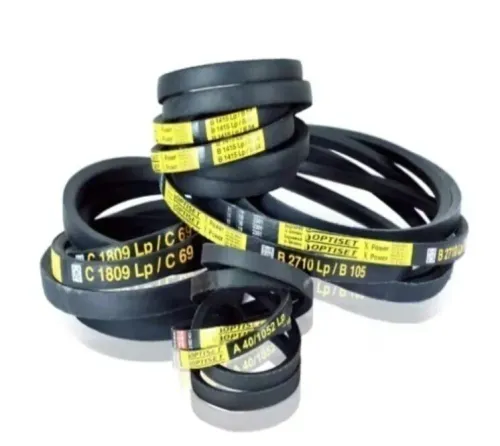
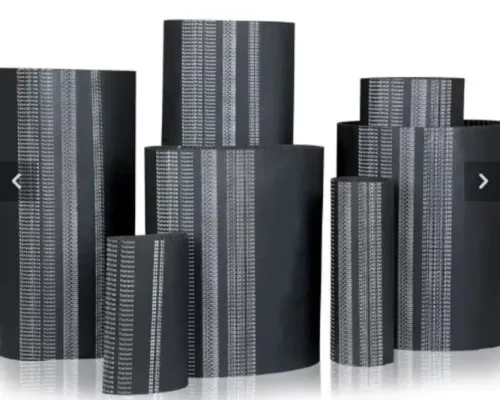
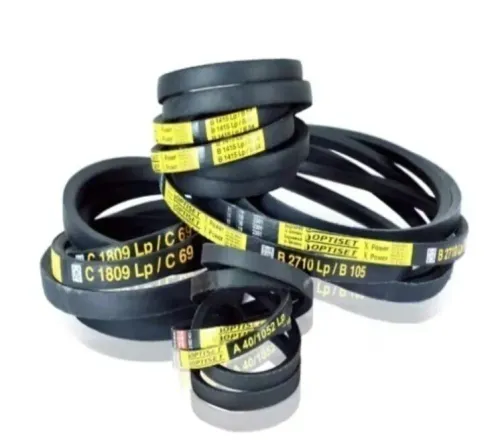
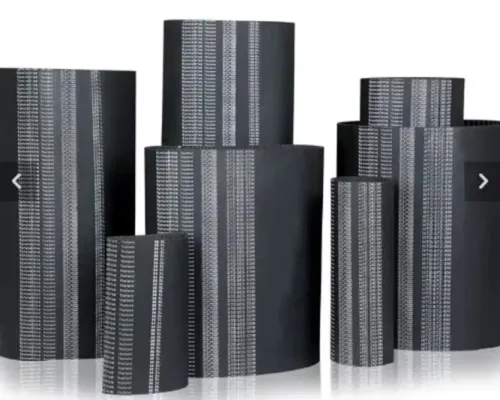
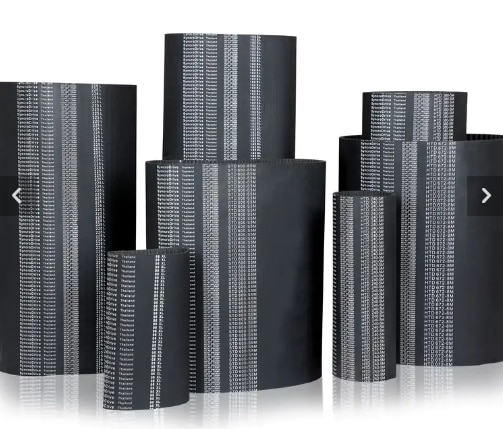 | Rubber Timing Belts Timing belts make less noise compare to chain belts and gear belts and has high transmission capacity and efficiency. View product → |
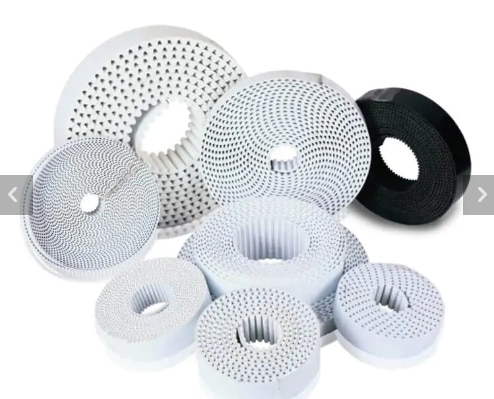 | PU Timing Belts has high performance transmission. This PU Belts has high intensive and low extension adoptive modules. View product → |
Frequently asked questions
How does Chennai’s monsoon affect industrial timing-belt selection?
Humidity and condensation make storage and sealing important, while splash, standing water, mud, and salt air influence belt material and guarding. Plan protection and inspections around the October-to-December northeast monsoon.
What must you match before ordering a timing belt?
Match the belt pitch, tooth profile, width, length, pulley tooth count, pulley profile, and joint or endless construction. Confirm these dimensions from the existing belt or machine documentation.
How can you prevent timing-belt tooth jumping during wet weather?
Check pulley alignment, belt tension, tooth engagement, flange condition, guarding, and contamination. Remove water, mud, oil, and debris before restarting the drive.
How should timing belts be stored and inspected during the monsoon?
Store belts sealed, dry, shaded, and away from heat, direct sunlight, solvents, and ozone-producing motors. Inspect for tooth wear, cracks, swelling, glazing, frayed edges, contamination, and abnormal tension.
When should you use a local supplier or choose a different drive?
Use a local supplier when you need rapid identification, replacement, installation support, or exposure-specific guidance. Consider another drive when water, mud, chemicals, shock loads, or maintenance limits exceed the timing belt’s practical operating range.
Related product
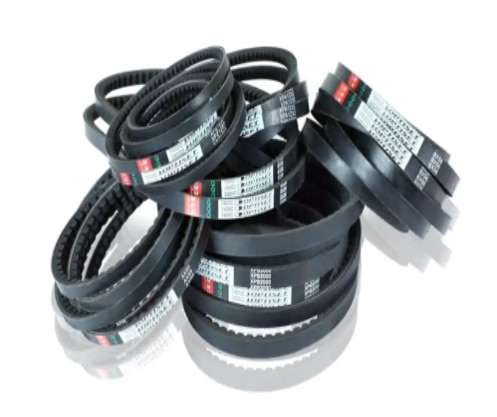 | Cogged Belt Cogged belts are suitable for all industrial applications, particularly where small or sub-minimal sheave diameters are required. View product → |