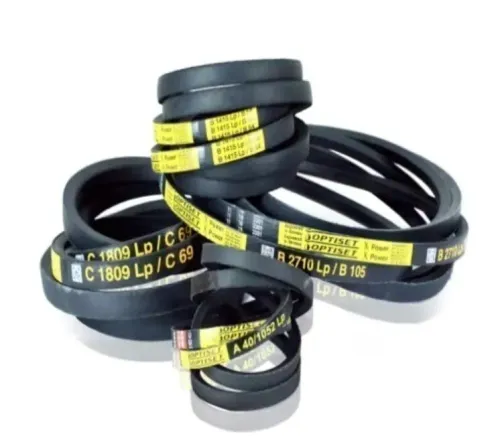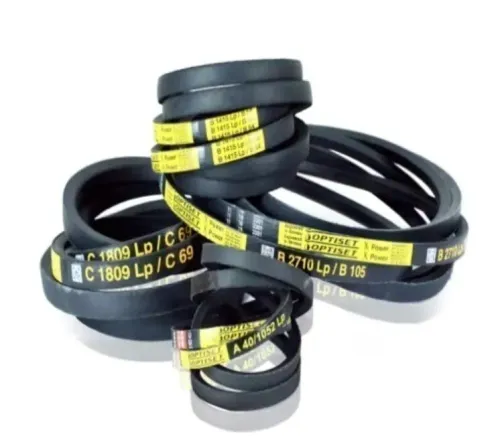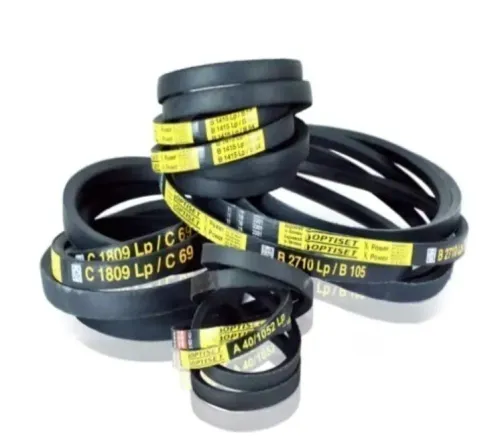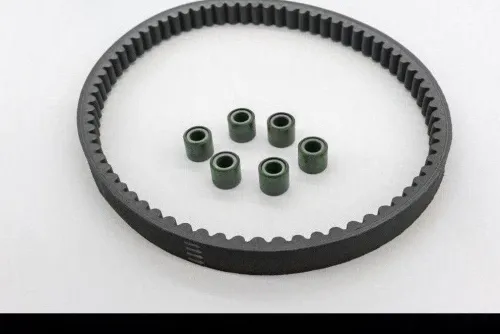
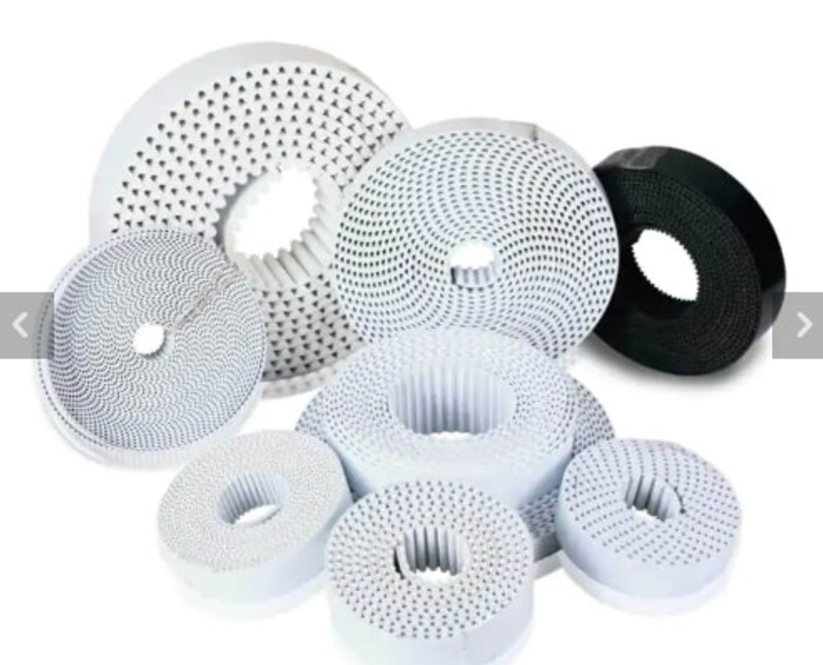
Finding a timing belt manufacturer in India is only one part of the procurement process. The more important question is whether the belt being considered is technically suitable for the intended drive.
Timing belts operate through positive tooth engagement, so errors in pitch, tooth profile, dimensions, or material selection can directly affect synchronization and service performance.
Define the Application Before Requesting a Quote
Begin by identifying what the belt needs to do.
A replacement belt for an existing machine requires accurate compatibility with the current pulleys. An OEM application may involve a broader engineering evaluation covering load, speed, pulley diameter, duty cycle, environment, and required positioning characteristics.
Provide technical information such as:
- Belt pitch and tooth profile
- Width and length or tooth count
- Pulley specifications
- Operating speed
- Load characteristics
- Temperature range
- Exposure to oil, dust, moisture, or chemicals
- Continuous or intermittent operation
This information creates a meaningful basis for product selection.
Decide Whether Rubber or PU Is Appropriate
A timing belt manufacturer may offer different constructions for different applications. Rubber timing belts are widely used in synchronous power transmission, while polyurethane belts are common in various automation, positioning, and conveying applications.
Material alone should not determine the decision. The complete drive requirements must be considered.
Verify Availability for Future Replacement
OEMs and maintenance departments should consider continuity of supply. If a belt is critical to production, knowing whether the specification can be obtained consistently helps with spare-parts planning.
It may also be sensible to record the final belt specification in maintenance documentation so future teams do not need to identify it again from a heavily worn component.
Evaluate Technical Communication
A provider should be able to discuss dimensions, profiles, application requirements, and compatibility clearly rather than recommending a belt solely from a general description.
For industrial buyers in Mumbai, Maharashtra, Jigna Sales Corporation works with timing belts and other power-transmission belt requirements across manufacturing and engineering applications.
Selecting a suitable timing belt is ultimately a specification-driven decision. Buyers who document their drive details, inspect the pulley system, clarify the operating environment, and verify product compatibility are better positioned to source a belt that meets the actual machinery requirement rather than simply purchasing the closest available size.